Choosing the Right Coop Size: More Than Just Chickens
Before you begin building your sustainable chicken coop, determining the appropriate size is paramount. A larger flock necessitates a larger coop. Consider your land availability; a sprawling coop requires ample space. Budget plays a crucial role—larger coops inherently cost more. Modular designs offer flexibility; you can add sections as your flock grows or your needs evolve. Start small if uncertain and expand gradually. A well-planned smaller coop, efficiently utilized, surpasses an oversized, underutilized one. This scalability is a key advantage of modular construction. For pre-built options, check out these chicken coop kits.
Site Selection: Finding the Perfect Spot for Your Flock
Chicken comfort is key! Choose a sunny spot sheltered from harsh winds for optimal natural heating and protection. Proximity to a reliable water source minimizes effort. Biosecurity – protecting your birds from disease, pests, and predators – is crucial. Strategic coop placement minimizes exposure to external threats, reducing potential health issues and associated costs. Proper drainage prevents soggy soil, detrimental to both birds and coop foundation.
Sustainable Feeding & Waste Management: Doing Good for Your Chickens and the Planet
Smart feeding practices are integral to sustainable poultry farming. Locally-sourced, organic feed supports local farmers and improves chicken health. Waste management is often overlooked but greatly impacts sustainability. Composting chicken manure creates nutrient-rich soil for your garden, reducing waste and fostering a closed-loop system. Advanced techniques such as anaerobic digestion convert chicken waste into biogas, a renewable energy source. This reduces overall environmental impact and potentially provides a supplemental energy source for the coop itself.
Modular Design: The Flexibility of Building Blocks
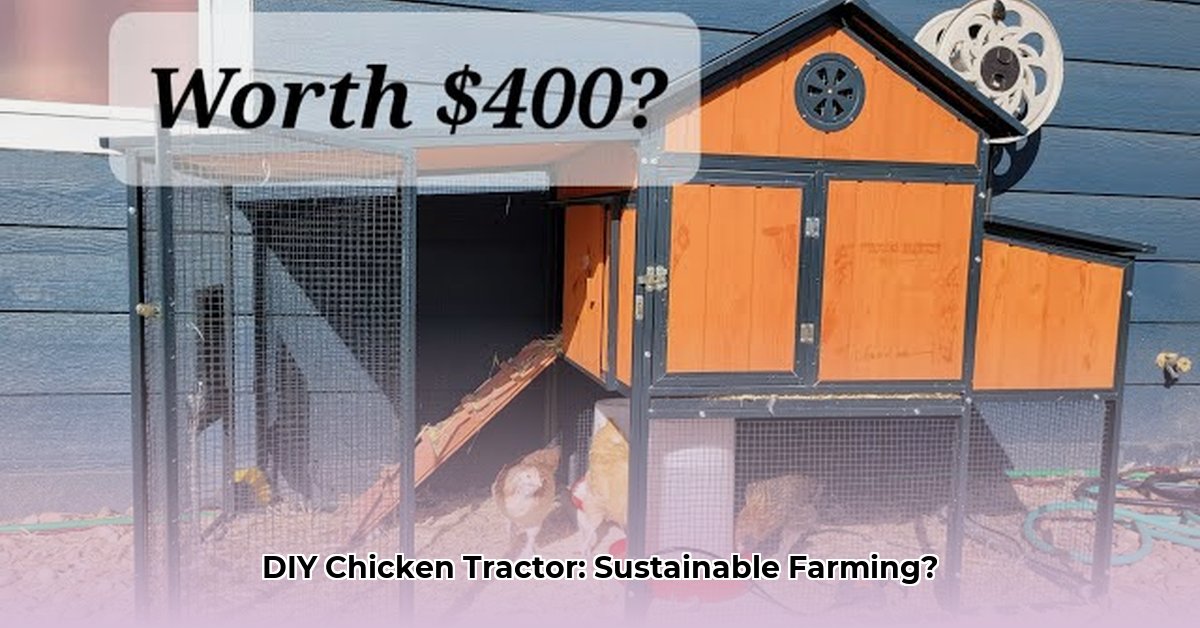
Modular chicken coops offer unparalleled adaptability. Need more space? Simply add another module! Cleaning and maintenance are significantly easier with separate, manageable sections. Damage to one section requires only localized repair, minimizing costs and downtime. This flexibility allows for customization and expansion according to your evolving needs and flock size. Imagine the adaptability—a system that grows with your goals.
Cost Analysis: The Long-Term Investment
While the initial investment in a large modular coop may exceed that of a traditional coop, long-term savings often outweigh the higher upfront cost. Reduced feed costs, efficient waste management (through composting or biogas generation), and decreased maintenance contribute to significant cost savings over time. Furthermore, increased egg production and the value of generated compost further enhance the economic benefits.
| Factor | Traditional Coop | Modular Coop |
|---|---|---|
| Initial Cost | Lower | Higher |
| Maintenance Costs | Higher | Lower |
| Expandability | Limited | High |
| Lifespan | Varies | Potentially Longer |
| Adaptability/Flexibility | Low | High |
Renewable Energy Integration: Going Green with Your Coop
Reducing your environmental footprint is achievable. Installing solar panels on your coop powers lighting, ventilation, and automated systems, minimizing reliance on grid electricity. This approach provides considerable cost savings over time, reducing long-term operating expenses while diminishing your carbon footprint. Consider integrating other renewable alternatives, such as wind power, if feasible.
Troubleshooting and Maintenance: Keeping Your Coop Thriving
Regular coop maintenance prevents major problems. Regular cleaning maintains hygiene and prevents disease outbreaks. Promptly address structural damage to avoid escalation. Regular pest checks and monitoring the flock's health prevent larger issues later. A proactive approach minimizes long-term costs and maximizes the longevity of your coop and the health of your flock.
Resources for Further Learning
Numerous resources are available for those seeking deeper knowledge in sustainable poultry farming. Local agricultural extension offices, online homesteading communities, and reputable publications on sustainable agriculture provide valuable information and support. These resources offer ongoing support and guidance as your sustainable poultry farming operation evolves.
This guide serves as a starting point for building a large, sustainable chicken coop. Remember, this is a journey—enjoy the process and learn as you go! The rewards – healthier birds, healthier soil, and a healthier planet – are well worth the effort. Your commitment to sustainable practices ensures a more resilient and environmentally responsible poultry operation.